
Choose the Right Tin Cure Silicone for Every Mold
Choose from three condensation-cure silicone series for pourable molds, high-support tooling and brush-on applications. Compare the series by mold geometry, application method and required hardness.
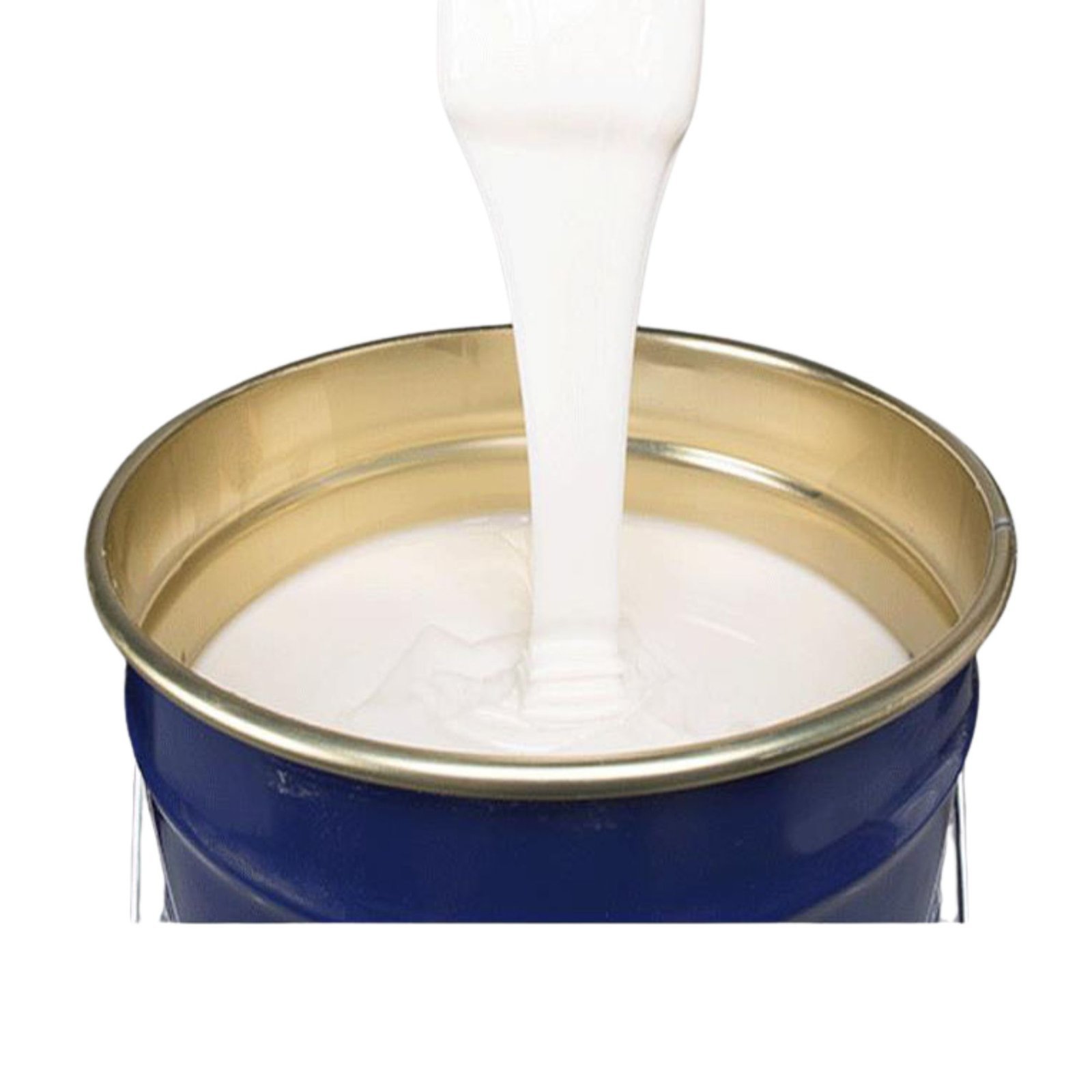
17 Grades
Across Three Series
Pourable & Brushable
Application Options
Custom Options
Hardness & Color
Technical Support
Before & After Purchase
Choose a Tin Cure Silicone Series
Start with how the silicone will be applied and how much mold support you need. Then compare the available hardness grades within the best-fit series.

TCS Hard Series
High-hardness grades for firm mold support and good shape retention under pressure.
- Grades: TCS45, TCS50, TCS55, TCS60, TCS70
- Best for: embossing, textures, panels and supported tooling
- Use when: stability matters more than easy peel release
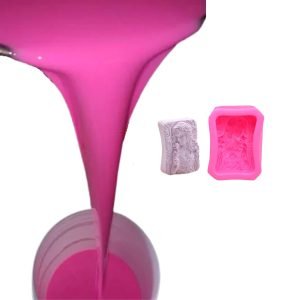
TCS General Series
The best starting point for most pourable mold-making applications, with grades from soft and flexible to firm and supportive.
- Soft: TCS05, TCS10, TCS15
- General purpose: TCS20, TCS25, TCS30
- Firm: TCS35, TCS40
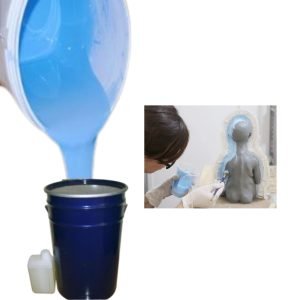
TCS Brush Series
High-viscosity, brushable silicone for controlled layer application without an additional thickener.
- Grades: TCS-B20, TCS-B25, TCS-B30, TCS-B35
- Best for: large, vertical and irregular master models
- Key benefit: reduced material use versus poured block molds
Find the Right Series for Your Application
Choose by application method first, then select the hardness that fits the mold size, geometry and demolding requirement.
| Series | Application | Available Grades | Hardness | Working Time | Demold Time | Best Starting Direction |
|---|---|---|---|---|---|---|
| TCS General | Pourable | TCS05–TCS40 | Shore A 5–40 | 30–40 min | 3–8 h | Detailed and general-purpose molds |
| TCS Hard | Pourable | TCS45–TCS70 | Shore A 45–70 | 30–40 min | 3–8 h | Firm molds, embossing and supported tooling |
| TCS Brush | Brushable | TCS-B20–TCS-B35 | Shore A 20–35 | 40–60 min | 8–12 h | Large, vertical and complex surfaces |
Soft through firm grades for detailed, general-purpose and larger supported molds.
| Grade | Hardness (Shore A) | Mixed Viscosity (mPa·s) | Mix Ratio A:B | Working Time | Demold Time |
|---|---|---|---|---|---|
| TCS05 | 5 ± 2 | 10,000 ± 2,000 | 100:3 | 30–40 min | 3–8 h |
| TCS10 | 10 ± 2 | 14,000 ± 2,000 | 100:3 | 30–40 min | 3–8 h |
| TCS15 | 15 ± 2 | 16,000 ± 2,000 | 100:3 | 30–40 min | 3–8 h |
| TCS20 | 20 ± 2 | 18,000 ± 2,000 | 100:3 | 30–40 min | 3–8 h |
| TCS25 | 25 ± 2 | 20,000 ± 2,000 | 100:3 | 30–40 min | 3–8 h |
| TCS30 | 30 ± 2 | 22,000 ± 2,000 | 100:3 | 30–40 min | 3–8 h |
| TCS35 | 35 ± 2 | 20,000 ± 2,000 | 100:3 | 30–40 min | 3–8 h |
| TCS40 | 40 ± 2 | 18,000 ± 2,000 | 100:3 | 30–40 min | 3–8 h |
Firm grades for embossing, textures, panels and molds with limited undercuts.
| Grade | Hardness (Shore A) | Mixed Viscosity (mPa·s) | Mix Ratio A:B | Working Time | Demold Time |
|---|---|---|---|---|---|
| TCS45 | 45 ± 2 | 20,000 ± 2,000 | 100:3 | 30–40 min | 3–8 h |
| TCS50 | 50 ± 2 | 22,000 ± 2,000 | 100:3 | 30–40 min | 3–8 h |
| TCS55 | 55 ± 2 | 24,000 ± 2,000 | 100:3 | 30–40 min | 3–8 h |
| TCS60 | 60 ± 2 | 26,000 ± 2,000 | 100:3 | 30–40 min | 3–8 h |
| TCS70 | 70 ± 2 | 28,000 ± 2,000 | 100:3 | 30–40 min | 3–8 h |
Controlled-flow grades for layer application on large, vertical or irregular masters.
| Grade | Hardness (Shore A) | Mixed Viscosity (mPa·s) | Mix Ratio A:B | Working Time | Demold Time |
|---|---|---|---|---|---|
| TCS-B20 | 20 ± 2 | 35,000 ± 2,000 | 100:3 | 40–60 min | 8–12 h |
| TCS-B25 | 25 ± 2 | 38,000 ± 2,000 | 100:3 | 40–60 min | 8–12 h |
| TCS-B30 | 30 ± 2 | 38,000 ± 2,000 | 100:3 | 40–60 min | 8–12 h |
| TCS-B35 | 35 ± 2 | 40,000 ± 2,000 | 100:3 | 40–60 min | 8–12 h |
Typical values are provided for reference only and are not specification limits. Actual results may vary with the selected grade, catalyst ratio, processing conditions and test method. Review the current TDS and validate the selected grade with a production trial.
Common Applications
Start with what you’re making, then explore suitable tin-cure series and hardness grades for your mold geometry, casting material and production conditions.

Flexible molds for decorative resin, candles, soap and handmade products.
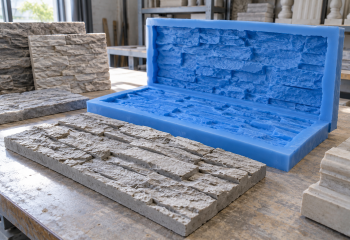
Durable reusable molds for architectural elements, artificial stone and concrete décor.

Accurate reproduction of sculpture, ornaments, prototypes and detailed masters.
Need Platinum Cure Silicone Instead?
Tin-cure silicone is a practical choice for general mold making, while platinum-cure silicone is better suited to applications requiring lower shrinkage, greater dimensional stability, transparency, or specific documentation.
Translucent Platinum Silicone
For precision molds where dimensional stability, low shrinkage and easy pigmenting are priorities.
Transparent / Clear Platinum Silicone
For optical, encapsulation and display applications that require high clarity and premium performance.
Tin Cure Silicone FAQs
Choose TCS General for pourable molds from soft to firm hardness, TCS Hard when strong support and shape retention are priorities, and TCS Brush for large, vertical or irregular masters that require layer application.
Softer grades are easier to peel from undercuts and delicate details. Firmer grades provide more support for larger molds and heavier castings. Select the series first, then confirm the grade with a sample trial.
The current TDS lists a 100:3 ratio by weight for these ranges. Always follow the TDS supplied with the selected grade and confirm the process with a small batch before production.
CREKEM’s pourable TCS grades can be thickened with a compatible thixotropic additive for brush-on applications. Alternatively, the TCS Brush Series is formulated for layer application without an additional thickener. Contact CREKEM for the recommended additive and dosage, and run a small trial before production.
Consider platinum cure when the application places greater emphasis on very low shrinkage, long-term dimensional stability, transparency, cleanliness or documented regulated-use requirements.
Tell Us About Your Mold Project
Share the master material, mold dimensions, casting material, application method, target hardness and expected order quantity. We will recommend a series and grade for evaluation and provide the relevant TDS.