
Home › Applications › Sculpture Silicone
SILICONE MATERIALS FOR SCULPTURE MOLDING & ART CASTING
Sculpture Silicone That Holds Every Mark—and Releases the Original
Pourable and brush-on RTV-2 silicone for clay sculpture molds, fine-art reproduction, lost-wax casting, resin figures, plaster editions, concrete art, and large multi-part molds.
- Capture fingerprints, tool marks, hair, feathers, stone texture, and deep relief
- Choose practical mold construction for maquettes, busts, figures, monuments, and restoration work
- Match cure chemistry, viscosity, hardness, working time, and tear strength to the real casting workflow
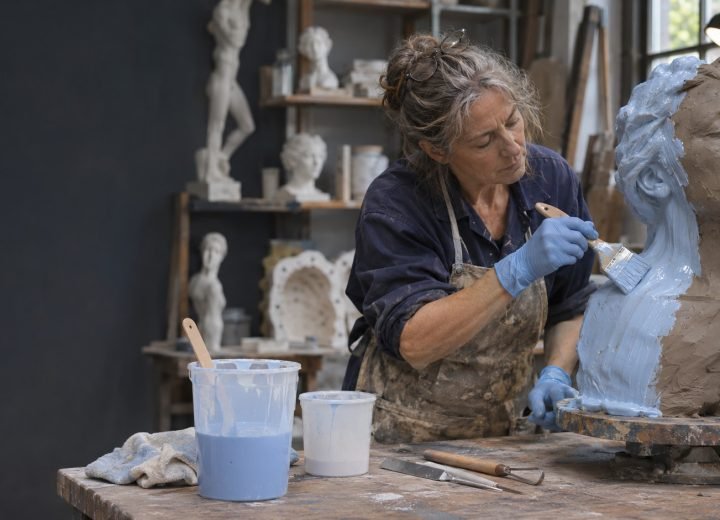
DETAIL
Reproduce the sculptor’s surface without softening edges or filling shallow texture.
RELEASE
Flex around undercuts while protecting the master and the cured casting.
SUPPORT
Build even rubber thickness and a stable mother mold for accurate registration.
REPEAT
Demold wax, plaster, resin, or concrete castings with predictable mold behavior.
THE BUYER’S REAL QUESTION
Not “Which Shore A?”—Which Mold System Will Work?
A sculpture mold succeeds only when the silicone, application method, parting plan, support shell, casting material, and expected number of pulls work together.
CREKEM starts with the master and the casting process. Then we narrow the silicone type, viscosity, hardness, working time, cure time, color, thixotrope, packaging, and sample plan.
SCULPTURE MOLD MAKING APPLICATIONS
From Studio Maquettes to Monumental Art
Silicone molds reproduce original sculpture across fine art, foundry, restoration, scenic fabrication, collectibles, architectural ornament, and limited-edition production.
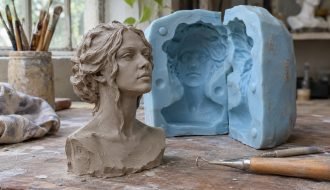
Clay Statues & Busts
Molds for water-based, oil-based, polymer, and sulfur-free clays—with compatibility testing where needed.
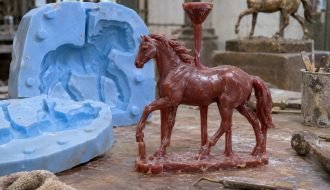
Bronze & Lost-Wax Art Casting
Flexible molds that reproduce wax positives for investment casting, from small editions to foundry work.

Resin Figures & Collectibles
Fine detail, clean seams, and repeatable demolding for polyurethane, epoxy, and filled resin castings.
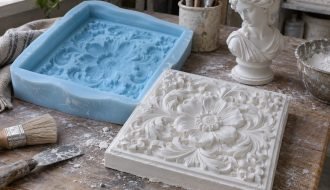
Plaster, Gypsum & Jesmonite Art
Controlled flexibility for statues, reliefs, decorative panels, replicas, and studio editions.
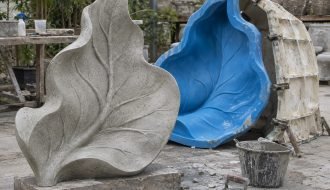
Concrete, GFRC & Outdoor Sculpture
Tough molds and stable support shells for abrasive, heavy cast materials and larger forms.
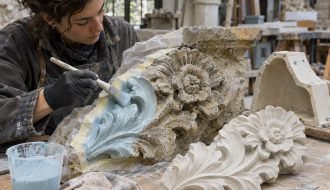
Restoration & Architectural Ornament
Brush-on reproduction for fixed surfaces, historic details, carvings, plaques, and complex relief.
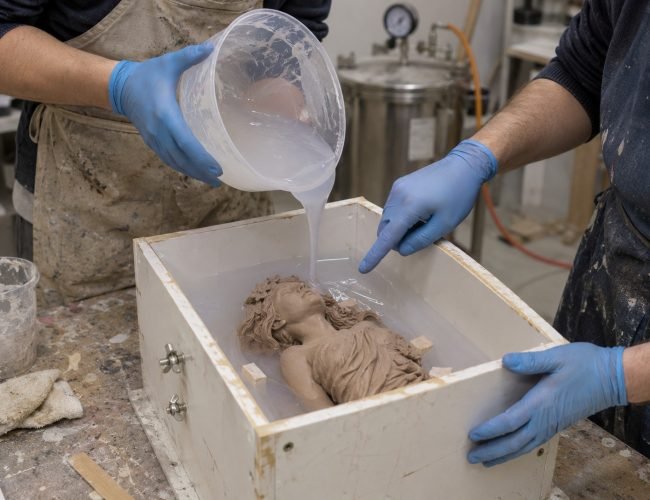
POURED BLOCK & TWO-PART MOLDS
Use Pourable Silicone When Geometry and Mold Volume Allow
Low-viscosity silicone flows across fine texture and into complex details. It suits small to medium masters, reliefs, figures, plaques, and models that can be boxed efficiently.
- Plan vents, seams, keys, and mold-box clearance before mixing
- Brush or pour a detail coat first where air can lodge
- Use an appropriate release at silicone-to-silicone parting surfaces
- Control exotherm, cure conditions, and demolding time
- Avoid wasting silicone on oversized blocks when a skin mold is more practical
BRUSH-ON SILICONE MOLDS
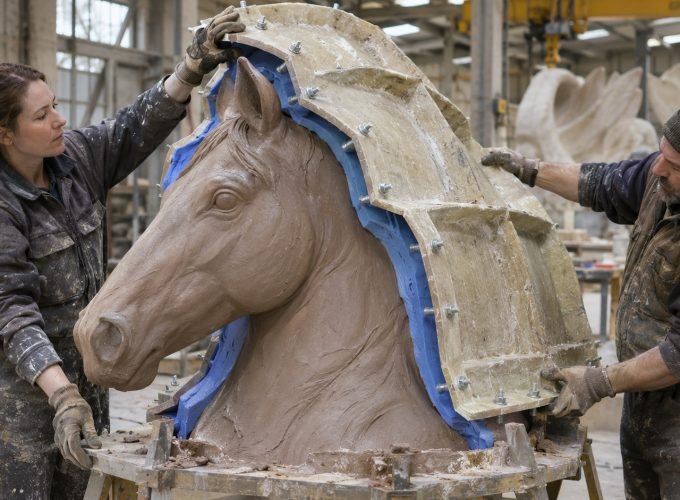
Build an Even Rubber Skin on Large or Vertical Sculpture
Thixotropic brush-on silicone follows vertical surfaces without running away. Multiple controlled coats create a flexible skin, while a rigid mother mold carries the shape during casting.
- Start with a thin detail coat to wet the surface and release trapped air
- Build body coats to a consistent target thickness—especially at edges and deep recesses
- Add registration keys and planned seams before the final coat
- Create a light, rigid multi-part support shell that opens in the correct direction
- Use tin-cure or platinum-cure brush-on systems according to compatibility and performance needs
FOUR PRACTICAL MATERIAL ROUTES
Choose Sculpture Silicone by Cure System and Application Method
The right route depends on the master, size, orientation, casting media, service life, and production budget—not on one data-sheet number.
GENERAL-PURPOSE POURABLE
General Tin-Cure Silicone
- Economical and forgiving for general sculpture mold making
- Good flow and detail reproduction for clay, plaster, stone, and sealed masters
- Practical for prototypes, short runs, plaster, wax, resin, and many concrete applications
- Allow for specified shrinkage and service-life needs
PRECISION POURABLE
Translucent Platinum Silicone
- Very low shrinkage and excellent dimensional stability
- Translucency helps inspect trapped air, cuts, seams, and casting fill
- Preferred for high-detail masters and repeat production
- Always test sulfur clays, printed resins, latex, tin residues, and amines for inhibition
LARGE / VERTICAL MOLDS
Brush-On Tin Silicone
- Cost-effective thixotropic system for busts, figures, reliefs, and large sculpture
- Stays on vertical and overhead areas with controlled build
- Useful when block molds would consume excessive material
- Pair with a properly designed rigid support shell
PRECISION SKIN MOLDS
Brush-On Platinum Silicone
- Low-shrinkage skin molds for demanding fine-art and production work
- Strong detail fidelity with stable mold dimensions
- Useful where clean inspection and long-term repeatability matter
- Compatibility testing and uniform coat thickness remain essential
SCULPTURE MOLD WORKFLOW
Protect the Original Before You Scale the Casting
Approve a small compatibility test and a complete mold plan before committing valuable art or large material volumes.
01 — AUDIT THE MASTER
Record master material, sealers, surface finish, fragility, undercuts, sulfur or amine risk, and areas that cannot tolerate release agent.
02 — CHOOSE THE MOLD METHOD
Select block, two-part, cut, brush-on skin, or multi-piece mold construction. Plan seams, keys, vents, pour openings, and shell sections.
03 — TEST, MIX & APPLY
Run a spot cure test, measure accurately, mix completely, degas when needed, then apply a bubble-free detail coat and controlled body thickness.
04 — SUPPORT, CAST & VERIFY
Build the mother mold, demold carefully, condition the rubber as specified, make trial castings, and lock the repeatable process.
COMMON SCULPTOR & FOUNDRY PAIN POINTS
What Can Go Wrong in the First Mold?
These visible defects usually point to preparation or mold-construction issues. Check them during a small trial before coating the whole original.
Sticky or Uncured Areas
Possible cause: cure inhibition from sulfur clay, printed resin, latex, tin residue, or contaminated tools.
Next step: spot-test the exact master, sealer, release, and silicone combination.
Bubbles in Fine Detail
Possible cause: air trapped under hair, fingers, lettering, or deep relief.
Next step: apply a thin detail coat and control air during mixing and pouring.
Tears or Warped Castings
Possible cause: thin rubber, stressful seam placement, weak registration, or an uneven support shell.
Next step: review thickness, opening sequence, keys, and shell fit.
GRADE-MATCHING CHECKLIST
Send the Sculpture, Casting, and Production Details
A useful recommendation begins with photos, dimensions, and the actual master/casting materials—not only a requested hardness.
- Master: clay type, plaster, stone, wood, metal, wax, 3D print, or existing artwork
- Overall dimensions, approximate mold area, orientation, relief depth, and undercuts
- Planned block, two-part, cut, brush-on, or multi-part mold method
- Casting media: wax, plaster, resin, concrete, GFRC, gypsum composite, or other
- Required pulls, surface finish, dimensional tolerance, and acceptable seam work
- Working time, cure time, studio temperature, color, packaging, and annual demand
A BETTER SAMPLE REQUEST
Test the Exact Material Stack
Include the same clay or printed resin, sealer, release agent, silicone, pigment or thixotrope, and casting material intended for production. A small representative test catches inhibition, adhesion, air entrapment, and surface changes before the original artwork is at risk.
SCULPTURE SILICONE FAQ
Questions Buyers Ask Before Mold Making
There is no universal best grade. General tin-cure silicone is practical for many routine sculpture molds; translucent platinum silicone is preferred where very low shrinkage, precision, inspection, or repeatability matter. Large or vertical pieces usually benefit from a thixotropic brush-on version plus a rigid support shell.
Tin-cure silicone is often more forgiving and economical. Platinum silicone offers lower shrinkage and strong dimensional stability but requires closer control of cure inhibitors. The clay, sealer, desired life, casting media, and budget determine the better route.
Many sculpture molds fall in a soft-to-medium Shore A range, but geometry matters more than a single number. Deep undercuts need flexibility; large open molds need body and support. Evaluate hardness together with elongation, tear strength, skin thickness, and mother-mold design.
It depends on the clay, sealer, silicone chemistry, and whether silicone will contact cured silicone at a parting surface. Test first: a release agent can prevent bonding, but excessive or incompatible release can soften detail or affect cure.
Thickness should be consistent and appropriate to the sculpture size, undercuts, seam loads, and support shell. Use the supplier’s system guidance, contrasting coat colors, keys, and thickness checks. Thin spots—not average thickness—usually become the failure points.
Yes. Properly mixed and applied RTV-2 silicone can reproduce very fine surface detail. Clean wetting, controlled air, a thin detail coat, and a fully cured master are essential to preserve that detail.
Divide the job into planned silicone and mother-mold sections. Use a brush-on thixotropic silicone, establish seams and registration keys, maintain even thickness, and build a light rigid shell that can be assembled without trapping or distorting the rubber.
Send master material, dimensions, mold method, casting media, detail and undercuts, expected pulls, working conditions, target cure time, preferred color or translucency, packaging, and order volume. Photos or CAD views speed up the recommendation.
PRACTICAL GUIDES
Prepare the Master and Mix with Confidence
Use these guides when planning the first compatibility test and detail coat.
Compare cure chemistry, master compatibility, hardness, viscosity, geometry, and service demands.
Control air during weighing, mixing, degassing, detail coating, and pouring.
TALK TO A SCULPTURE MOLD SPECIALIST
Keep the Original Safe. Make the Next Casting Predictable.
Share the sculpture material, size, mold method, casting media, undercuts, and number of pulls. CREKEM will recommend a suitable sculpture silicone route and a practical sample test.