
Liquid Polyurethane Rubber for Mold Making and Casting
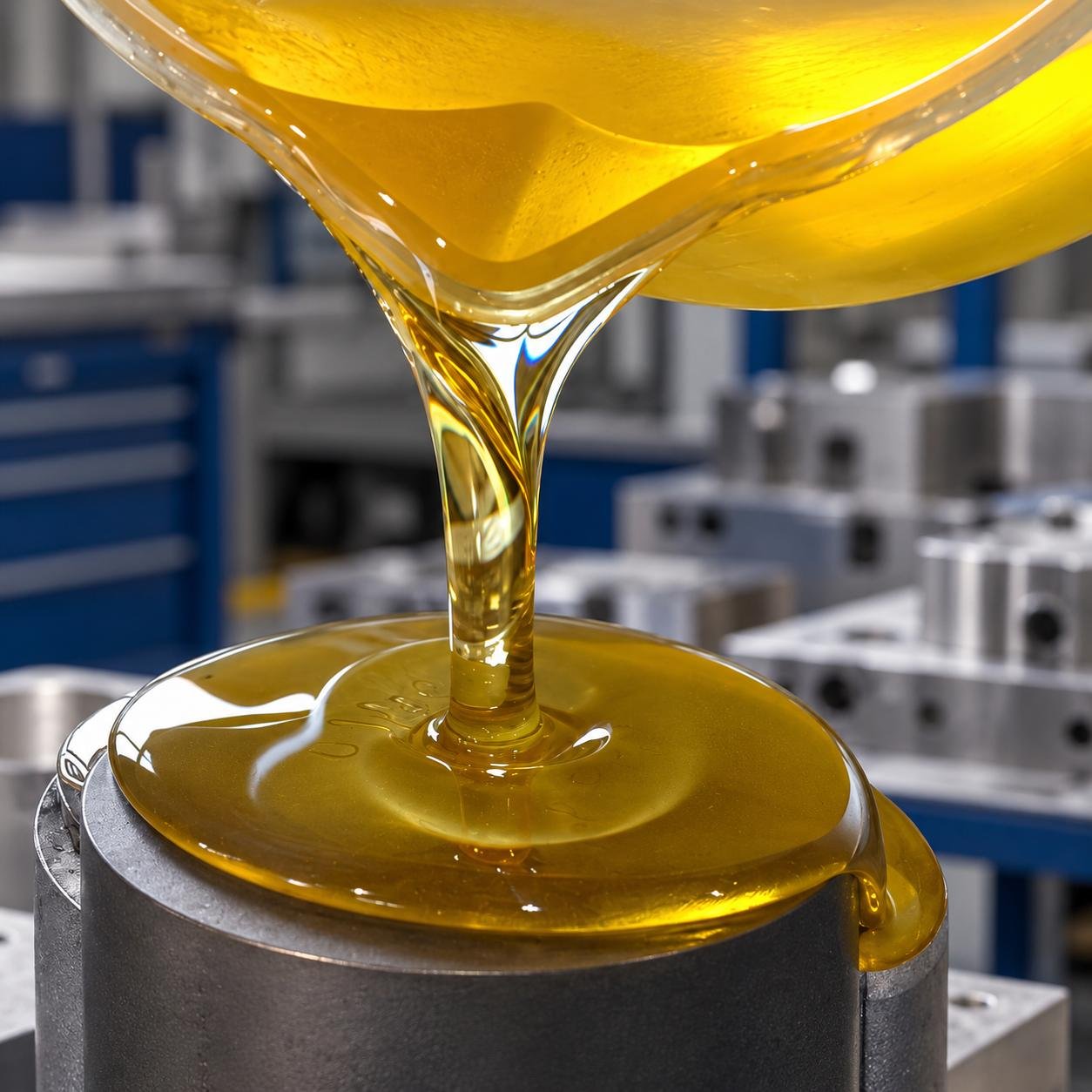
Pourable, two-component mold rubber for concrete, artificial stone, texture stamps and architectural reproduction. Choose from seven grades to balance flexible demolding with firm mold support.
A:B mix ratio by weight
Shore A 30–90
Mixed viscosity · mPa·s
Typical demold time at 25°C
Choose Flexibility or Firm Support
Start with the master geometry, undercuts and load on the mold. The groups below are application starting points; confirm the complete mold system with a small-scale trial.
MPR30
Shore A 30 ± 5
Textured masters and moderate undercuts. A starting point when flexing the mold helps release the casting.
20–45 min working time
MPR40 / 50 / 60
Shore A 40 / 50 / 60 ± 5
Concrete, artificial stone, plaster and architectural ornaments. Compare three grades for the flexibility your geometry needs.
20–35 / 20–35 / 20–25 min
MPR70
Shore A 70 ± 5
Concrete stamps, rollers and formliners where increased shape retention is a priority.
20–25 min working time
MPR80 / 90
Shore A 80 / 90 ± 5
Texture mats, stamping tools and flat or simple mold geometries requiring greater support.
MPR80: 20–25 min · MPR90: 5–8 min
Plan ahead for MPR90: its typical working time is 5–8 minutes at 25°C. Prepare the master, weighing tools and pouring route before mixing. Temperature and mixed mass affect the time available.
Compare All Seven MPR Grades
Common across the series: 1:1 A:B by weight, amber color and room-temperature curing. Typical values are measured at 25°C unless stated otherwise and are reference values, not specification limits.
| Grade | Hardness Shore A | Working time min | Demold time h | Mixed viscosity mPa·s |
|---|---|---|---|---|
| MPR30 | 30 ± 5 | 20–45 | 6–12 | 2,000–4,000 |
| MPR40 | 40 ± 5 | 20–35 | 6–12 | 2,000–4,000 |
| MPR50 | 50 ± 5 | 20–35 | 6–12 | 2,000–4,000 |
| MPR60 | 60 ± 5 | 20–25 | 6–12 | 2,000–4,000 |
| MPR70 | 70 ± 5 | 20–25 | 6–12 | 2,000–4,000 |
| MPR80 | 80 ± 5 | 20–25 | 6–12 | 2,000–4,000 |
| MPR90 | 90 ± 5 | 5–8 | 6–12 | 2,000–4,000 |
On mobile, swipe the table horizontally. Working and demold times depend on material temperature, ambient conditions and batch size. Demolding does not by itself confirm that a mold is ready for production.
Explore Mold-Making and Cast-Part Applications
MPR is a two-part liquid polyurethane rubber used to make durable molds and cast finished parts. Explore applications from stone veneer molds and concrete texture tools to footwear components and marine fenders. Select the grade according to the required hardness, part geometry and working conditions.

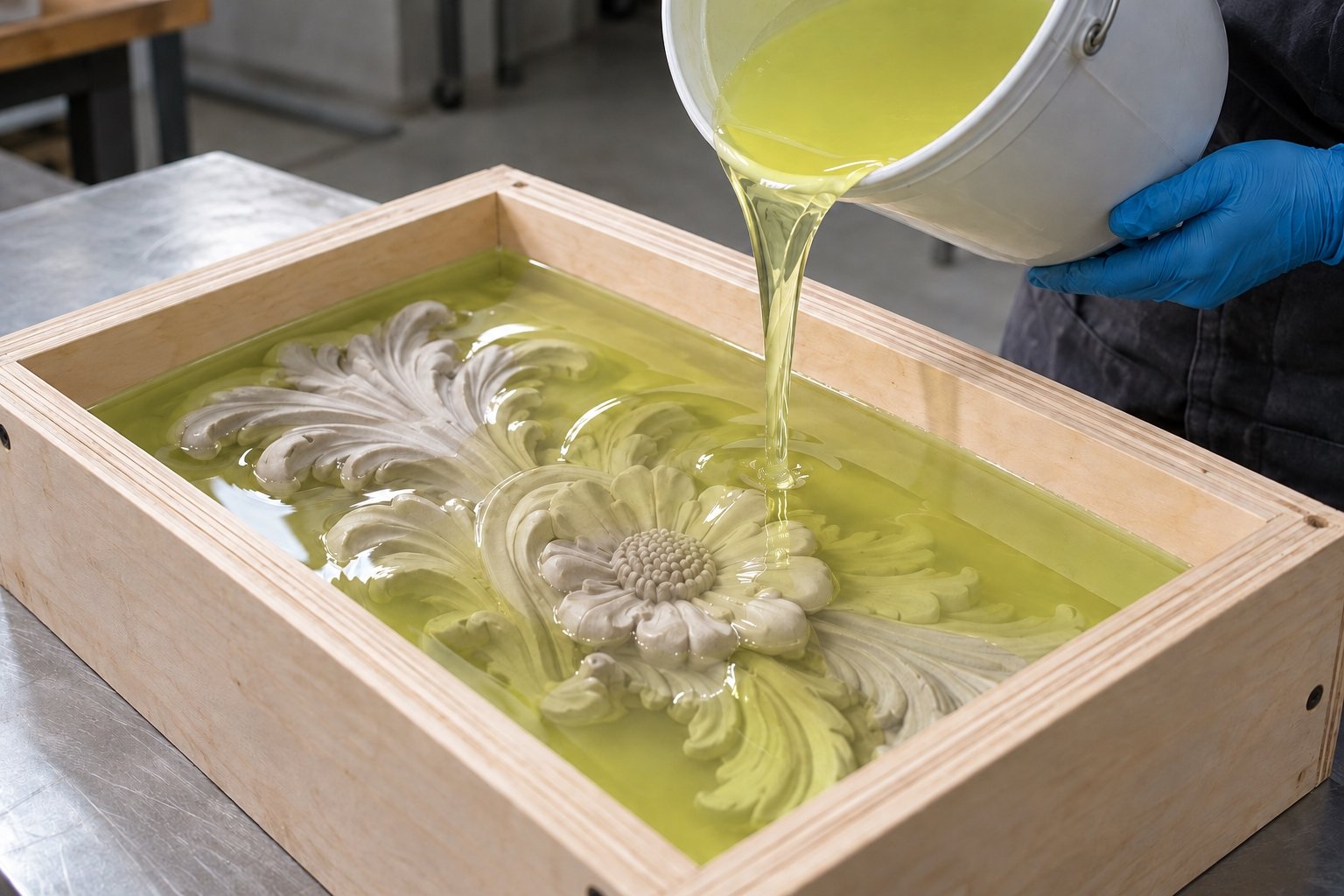
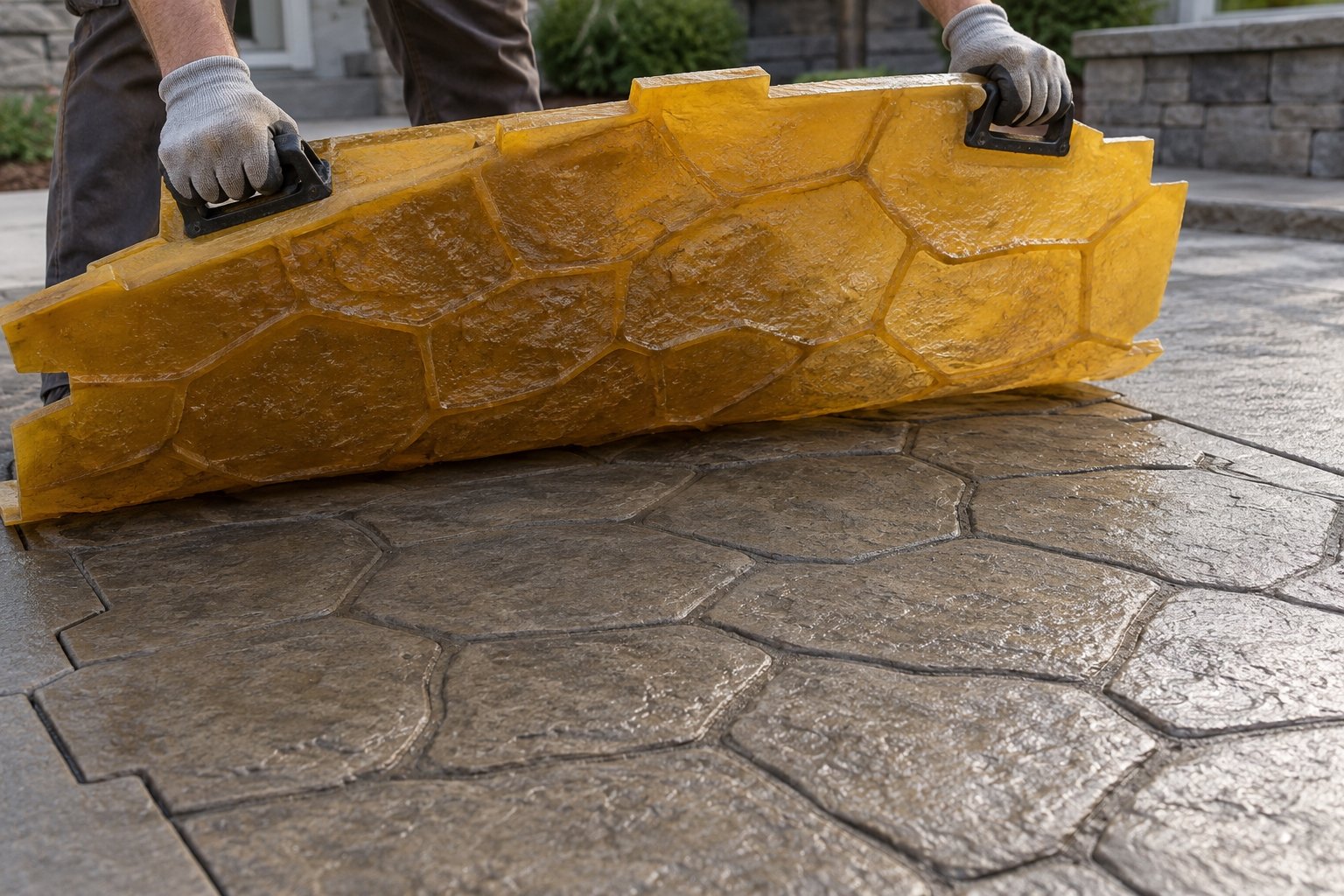
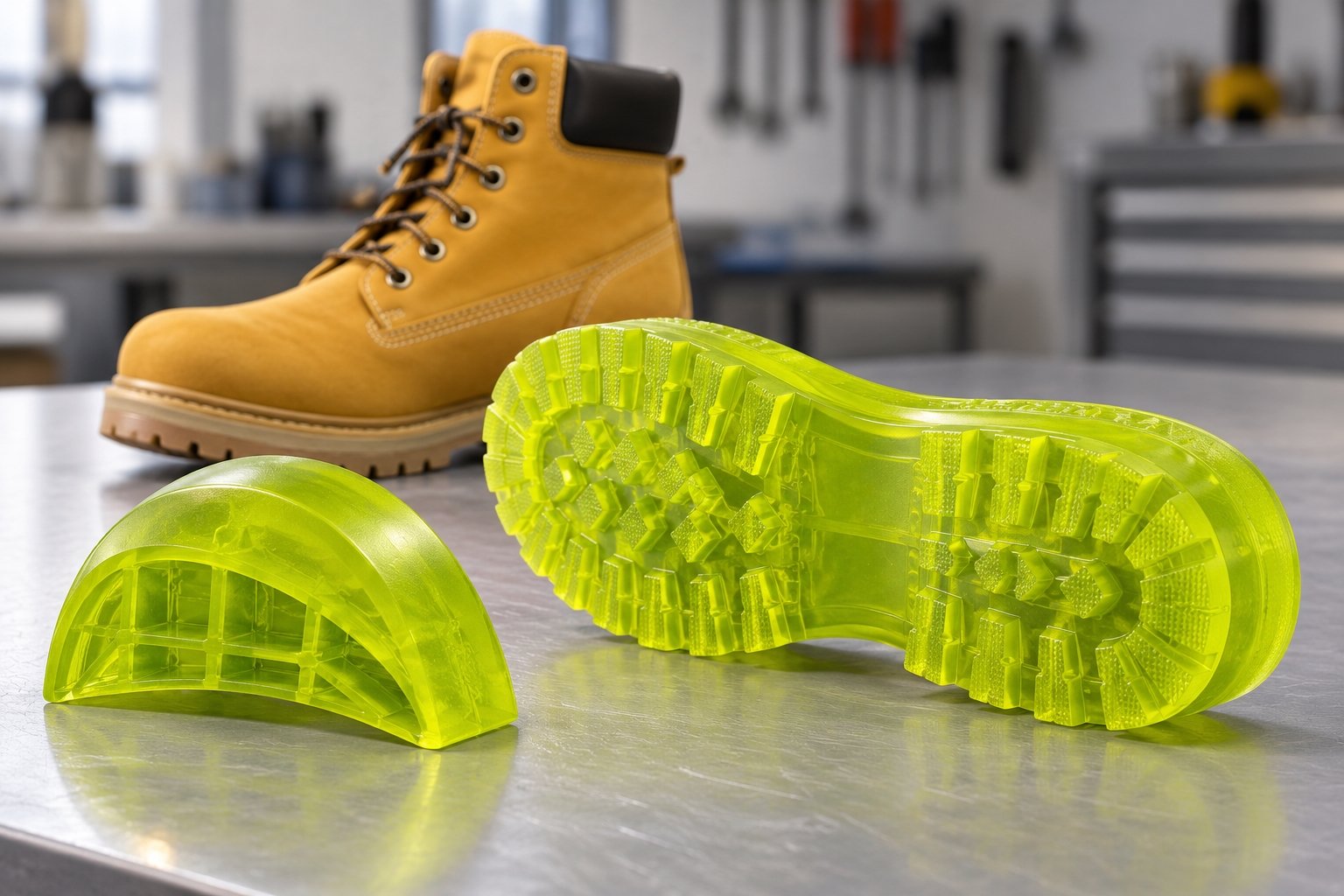
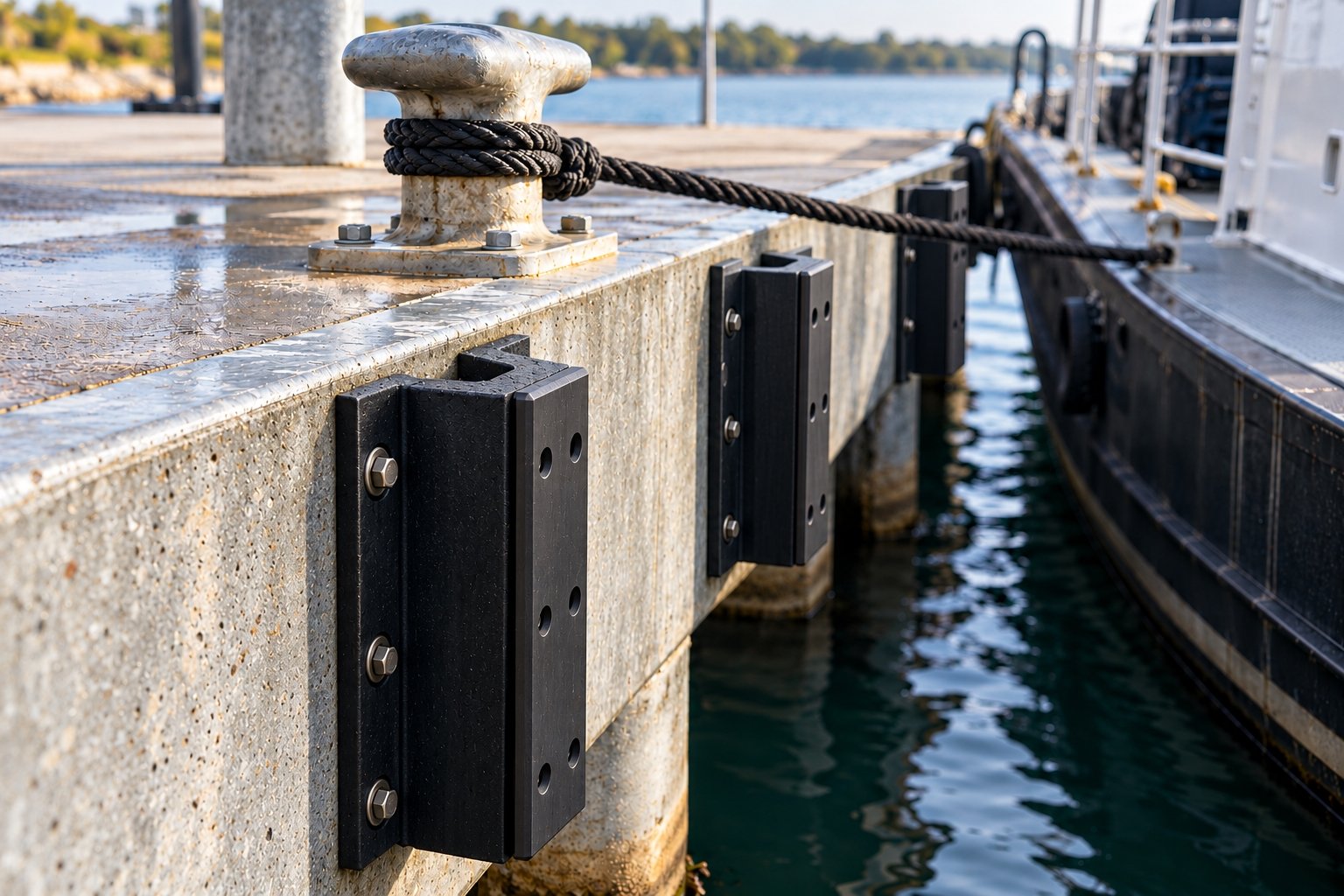
Application images illustrate mold types and end uses. Confirm the grade, master, sealer, release agent and casting material together in a small-scale trial.
A Practical Workflow for Cleaner Molds
Condition components, the master and the work area to 23–25°C. Keep the full process dry and make a compatibility trial before production.
Prepare the Master
Use a clean, completely dry master and tools. Seal porous surfaces, apply a suitable release agent and test compatibility.
Pre-mix & Weigh
Pre-mix A and B separately. Accurately weigh equal portions: 1:1 by weight. Keep tools clean and prevent cross-contamination.
Mix Thoroughly
Mix until uniform, scraping the sides and bottom several times. Avoid introducing excessive air.
Degas Where Practical
Vacuum degassing is recommended for detailed molds, larger batches or critical surfaces. Allow sufficient free container volume for expansion.
Pour from a Low Point
Use a thin, continuous stream and let the material rise over the master. Avoid pouring directly onto critical surface details.
Cure & Check
Leave undisturbed for the grade-specific demold time. Demold carefully and confirm complete cure and surface quality before production.
Moisture and release control matter. Moisture can cause bubbles, foaming or incomplete cure. Concrete, polyurethane resins and some other casting materials may require a suitable release agent. Avoid thin, unsupported mold sections in high-load applications.
Plan Your Material Supply
General pack sizes
20 kg pails · 200 kg drums · 1,000 kg IBC totes
Unopened shelf life
10–12 months from manufacture under the recommended storage conditions.
Keep tightly closed in original containers in a cool, dry place. Protect both components from atmospheric moisture. Minimize exposure after opening and reseal promptly.
TDS, SDS & Grade Support
Request the current technical data sheet and Safety Data Sheet for the grade you plan to evaluate.
Read the current SDS and product label before use. Wear suitable gloves and eye protection and provide adequate ventilation.
Polyurethane Mold Rubber FAQs
Which MPR grade should I start with?
Use MPR30 for more flexible molds with moderate undercuts; MPR40–MPR60 for general concrete, artificial-stone and plaster molds; MPR70 for increased shape retention; and MPR80–MPR90 for firmer tools with flat or simpler geometries. Confirm the choice through a trial.
Is the 1:1 ratio by weight or by volume?
By weight. The supplied TDS specifies equal weights of Part A and Part B. Do not substitute equal volumes without grade-specific confirmation.
Do I need vacuum degassing?
The TDS recommends vacuum degassing where practical, especially for detailed molds, large batches or surfaces where bubbles are unacceptable. Plan the operation around the grade’s working time.
Do I need a sealer or release agent?
Seal porous masters and apply a suitable release agent during mold preparation. Concrete, polyurethane resins and certain other casting materials may also require release agents. Test the complete master, sealer, release and casting system first.
When can I demold and begin casting?
The typical demold time is 6–12 hours at 25°C. Conditions and mixed mass affect timing. Confirm complete cure and surface quality before putting the mold into production; the TDS does not provide a universal production-ready cure time.
Can I use MPR for food or direct skin contact?
The supplied TDS does not establish food-contact or direct-skin-contact suitability. Share the intended use and required documentation with CREKEM before selecting a material.
How many castings will a mold make?
No fixed casting count is stated in the TDS. Mold geometry, thickness, support, casting material, release agent and handling affect service life. Evaluate the material in your actual process.
Find the MPR Grade for Your Mold
Tell us what you are making and how the mold will be used. We will help identify a grade for evaluation.
Helpful Details to Include
- Application and casting material
- Master material, mold size and undercuts
- Target hardness or current rubber grade
- Temperature, batch size and working time
- Trial quantity, expected volume and destination