
Home › Applications › electronics-potting-applications
Silicone Potting for Electronics
Explore two-part silicone potting compounds for PCBs, power modules, LED drivers, sensors and junction boxes, with options to evaluate for coils and magnetic assemblies. Use your fill depth, housing materials and operating conditions to choose a grade for testing.
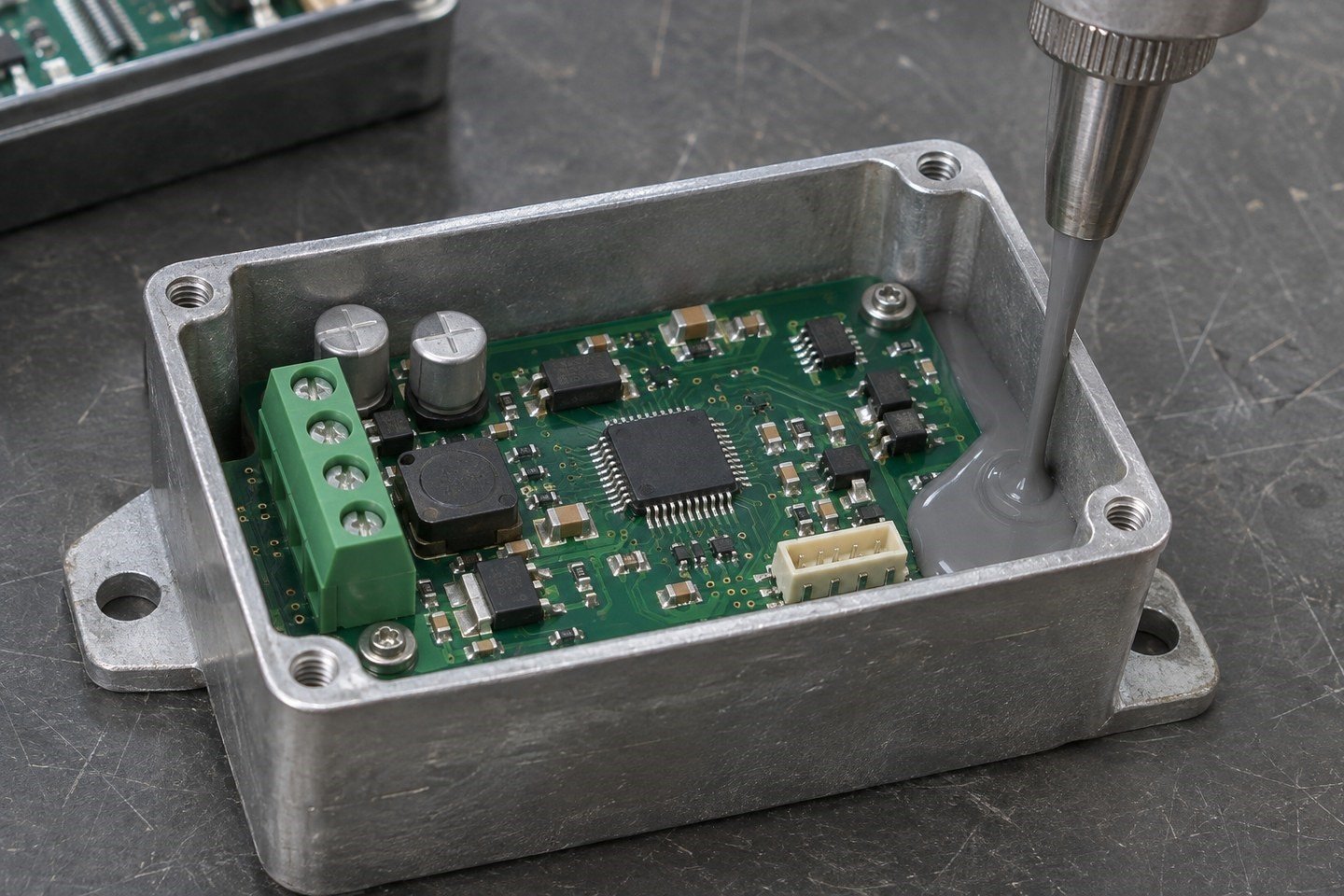
Reach winding gaps and tight cavities.
Plan for moisture, heat and vibration.
Test the material in the actual assembly.
Where Potting Fails in Production
A smooth surface can hide voids, poor adhesion and incomplete cure. Check the failure mode before changing grades.
Voids Around Windings
Air can remain below a coil or in a blind corner. Check mixed viscosity, fill from a low point where practical, and section a trial part.
Moisture at Interfaces
Cable exits and housing walls can remain ingress paths. Check adhesion after conditioning and test the assembled enclosure.
Heat and Thermal Cycling
Hot coils and power components need a defined path to the housing. Measure hot spots at rated load and inspect the bond after cycling.
Tacky or Uneven Cure
Incorrect ratio, poor mixing or incompatible residues can cause soft spots. Run contact-cure checks on the exact varnish, flux, coating and plastics.
Overflow into Keep-Out Areas
Excess compound can cover connector contacts, block vents or foul mating surfaces. Mark the fill line and check the dispense volume and fixture on a trial assembly.
Variable Cycle Time
A material that pours well on the bench may run out of working time in production. Trial the real batch size, dispenser, temperature and cure schedule.
Where Customers Use Potting Silicone
The target changes with the assembly: fill around a coil, protect a plated insert, or encapsulate electronics inside a housing.
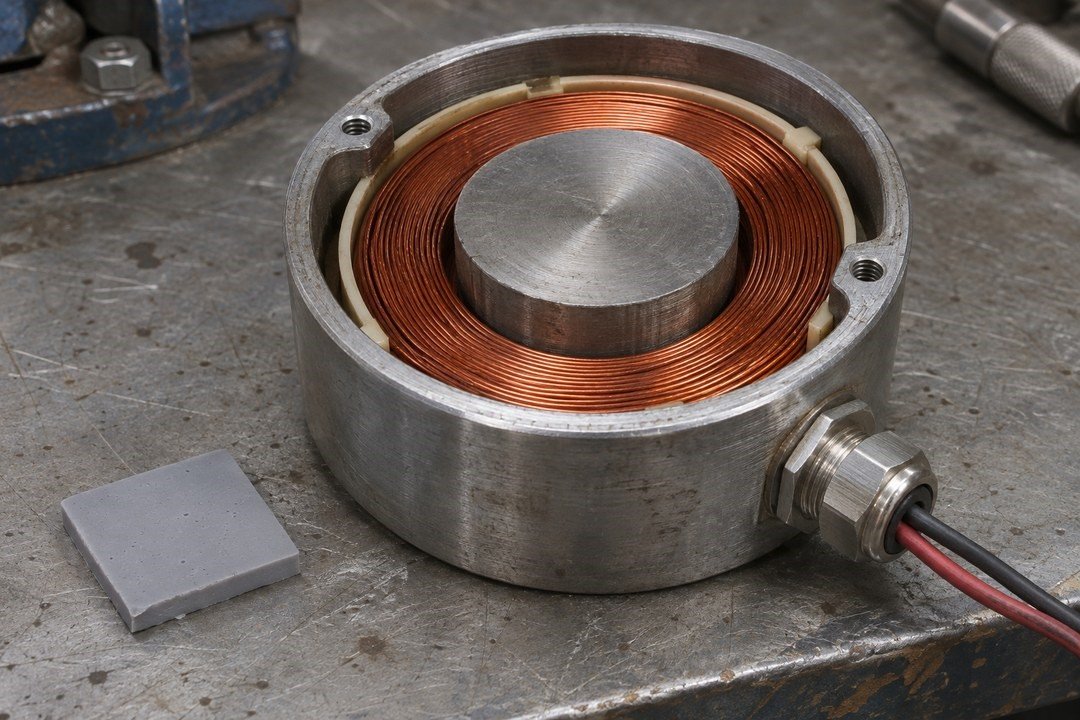
Potting for Coils & Electromagnets
Lifting magnets, electromagnetic separators and solenoids are examples of assemblies where silicone can be evaluated around the coil and lead exits. Check how well the compound fills the spaces around the windings.
- Share the winding varnish, cavity dimensions and duty cycle.
- Measure coil temperature under the intended duty cycle.
- Check electrical insulation and adhesion after thermal cycling.
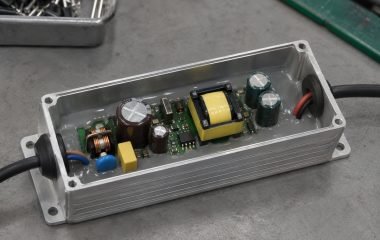
PCBs, LED Drivers & Ballasts
For sensors, controls and power modules, check cure over board residues, coverage around leads, heat transfer and access for repair.
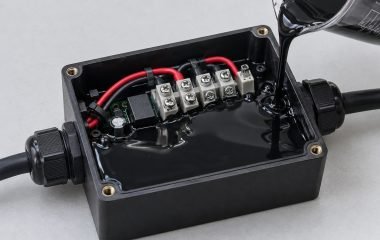
Cable Connections & Junction Boxes
Evaluate silicone potting around cable splices and fixed terminals in outdoor lighting, industrial equipment and control systems.

Magnetic Mounts & Inserts
Check compatibility with the magnet plating and housing. Measure pull force at the final working gap and verify how the insert is held in place.
What to Check Before You Choose a Grade
Compare the mixed material and the cured assembly. The latest grade-specific technical data sheet (TDS) is the reference for mix ratio, working time and cure conditions.
| Application need | Compare in the TDS | Confirm on the part |
|---|---|---|
| Tight winding or PCB gaps | Mixed viscosity and working time | Fill a sample at the actual dispense temperature and inspect the deepest points. |
| Sensitive components or vibration | Cured hardness and compliance | Check movement, stress and any retention requirements under service conditions. |
| Hot coils or enclosed drivers | Thermal conductivity and heat path | Measure temperatures in the assembly at its operating load and duty cycle. |
| Moisture or insulation requirements | Adhesion and dielectric data | Check the actual coating, housing and lead insulation after conditioning; run the required electrical and enclosure tests. |
| Short assembly cycles | Mixing basis and cure schedule | Confirm weight vs. volume, throughput, fill depth and time to handle. |
CREKEM publishes a softer ECS0 and a firmer ECS55 in its addition-cure potting range. Ask for the current TDS and sample availability before selecting either grade.
Run a Trial on Your Actual Part
Use the production housing, substrates and dispensing method so the sample answers the same questions your line will face.
Record the housing finish, winding varnish, wire jacket and any flux or release residues. Verify contact cure on representative surfaces.
Follow the grade TDS for mixing and cure. Check dispensing rate, vent paths and whether the process needs degassing.
After full cure, inspect adhesion, fill depth and voids. Check that connectors, vents and magnetic working surfaces are clear.
Run the thermal, electrical, environmental and mechanical checks required by the finished assembly before scaling.
Questions Before the First Pour
Answers for design, production and purchasing teams evaluating an encapsulant.
Potting fills part or all of an enclosure. Conformal coating forms a thin layer on the board. Choose based on coverage, component movement, access for repair and the environment.
Silicone can be evaluated around windings, leads or magnet inserts. For lifting equipment, qualify the original mechanical load path, retention and electrical insulation separately. Verify final pull force with the actual pole geometry and air gap.
Review mixed viscosity and working time, fill from the lowest practical point and leave an escape path for air. Evaluate degassing or vacuum filling if needed, then inspect a sample at its deepest points.
Check ratio, mixing and cure temperature first. With addition-cure silicone, some residues and contact materials can inhibit cure. Test the actual wire jacket, solder flux, varnish, seal and coating before the full pour.
An IP rating applies to a tested enclosure. Qualify the complete assembly, including cable entries, seams and any connectors. Check adhesion and leakage after aging when relevant.
Silicone is worth evaluating when compliance or thermal cycling matters. A rigid epoxy or a polyurethane may fit a different stiffness, adhesion or cost target. Compare the specific materials and verify performance on your part.
Specify the required conductivity, dielectric strength, test method and any flame classification. Request the latest grade documentation and confirm that the test conditions and thickness match your design.
Send a drawing or photo, fill depth, housing and winding materials, operating conditions, dispensing method and required tests. Include trial quantity and estimated production volume if known.
Send Us Your Assembly Details
Tell CREKEM what you are potting and what the finished part must pass. Ask for a starting grade, current TDS and a trial sample.
- Part photo or drawing, cavity dimensions and fill depth
- Housing, wire jacket, winding varnish or magnet coating
- Operating temperature, duty cycle and exposure conditions
- Dispensing method, cure window and trial quantity
- Required electrical, thermal, ingress or retention tests