
Transparent Platinum Silicone: Choose Your ACS-R Grade
Choose ACS-R when seeing through a mold helps with positioning, cut planning or visual inspection. Compare the nine hardness grades to find a practical starting point for your mold.
One transparent series · ACS-R10–ACS-R60 · Shore A 10–60 · A:B 10:1 by weight
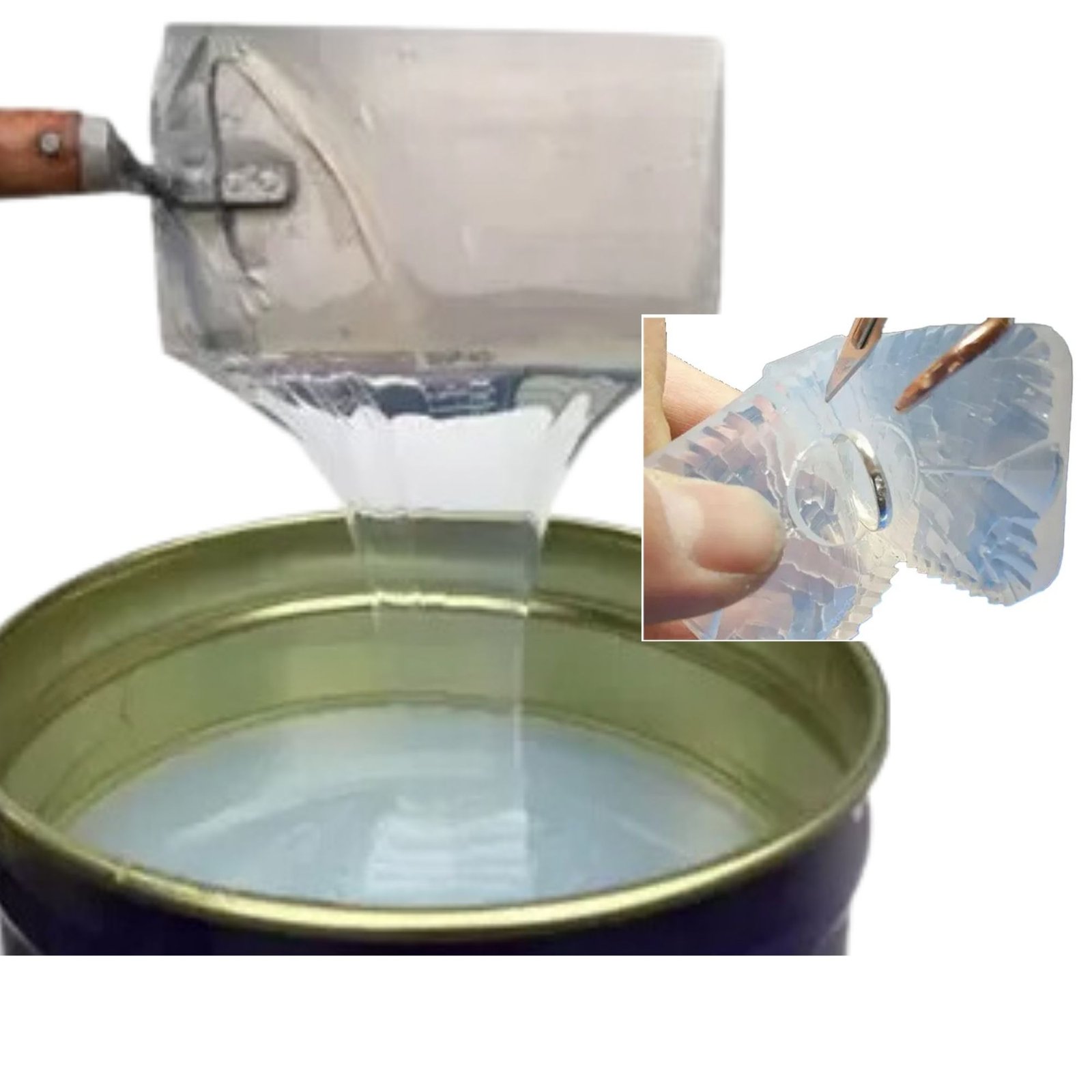
Start with Release and Mold Support
ACS-R is one series, not several product families. After deciding that visibility matters, select hardness by the shape of your mold and how much support it needs.
ACS-R15
For transparent molds that need easier release around delicate details or modest undercuts.
Shore A 15 ± 2
ACS-R25
A middle-range grade to trial when both demolding flexibility and shape support matter.
Shore A 25 ± 2
ACS-R50
For supported transparent molds with simpler geometry that need firmer shape retention.
Shore A 50 ± 2
Compare the Nine ACS-R Grades
All grades use A:B 10:1 by weight. Compare hardness, mixed viscosity and typical processing times, then confirm the final choice with the current grade-specific TDS.
| Grade | Shore A | Mixed viscosity (mPa·s) | Working time at 25 °C | Demold time at 25 °C |
|---|---|---|---|---|
| ACS-R10 | 10 ± 2 | 40,000 ± 5,000 | 40–50 min | 5–7 h |
| ACS-R15 | 15 ± 2 | 50,000 ± 5,000 | 40–50 min | 6–8 h |
| ACS-R20 | 20 ± 2 | 60,000 ± 5,000 | 40–50 min | 6–8 h |
| ACS-R25 | 25 ± 2 | 60,000 ± 5,000 | 40–50 min | 6–8 h |
| ACS-R30 | 30 ± 2 | 60,000 ± 5,000 | 40–50 min | 8–10 h |
| ACS-R35 | 35 ± 2 | 70,000 ± 5,000 | 40–60 min | 8–10 h |
| ACS-R40 | 40 ± 2 | 70,000 ± 5,000 | 40–60 min | 8–10 h |
| ACS-R50 | 50 ± 2 | 60,000 ± 5,000 | 40–60 min | 8–10 h |
| ACS-R60 | 60 ± 2 | 60,000 ± 5,000 | 40–60 min | 8–10 h |
Typical TDS values are for selection guidance, not specification limits. Confirm the current grade-specific TDS and test the material under your own processing conditions before production.
Mold-Making Applications for Transparent ACS-R
Explore ACS-R for fine-detail resin and jewelry molds, prototype and vacuum-casting molds, and flexible embossing molds. Its transparency is especially useful when positioning or visual inspection matters.
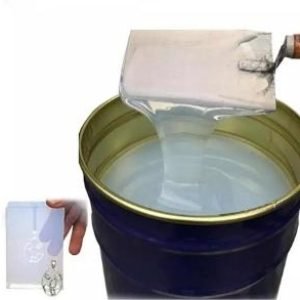
Make reusable molds for jewelry, small resin parts and lost-wax patterns. ACS-R reproduces fine details and lets you check the master’s position through the mold.
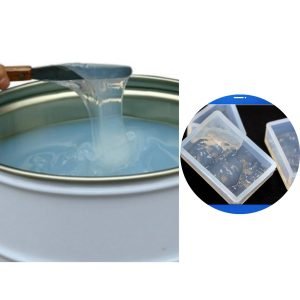
Make molds for prototypes and short-run casting. Transparency can help with part positioning and visual inspection when the process requires it.
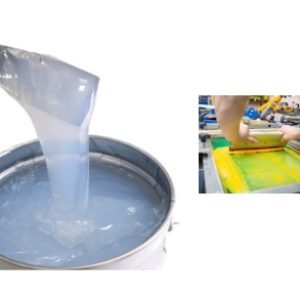
ACS-R can be used to make flexible embossing molds that transfer decorative patterns to fabrics and synthetic leather.
Mix 10:1 by Weight and Test the Master
Weigh ten parts A to one part B, mix thoroughly with clean tools and vacuum degas where practical. Test the actual master, release agent and casting material before production; contamination or incompatible materials can inhibit platinum cure.
Confirm Clarity and Performance
Check the current ACS-R TDS, then trial the selected grade for visibility, demolding and shape support in your process.
Transparent Platinum Silicone FAQs
Choose ACS-R when seeing through the mold helps with master positioning, cut planning or visual inspection. If that visibility is not needed, compare the translucent ACS options as well.
ACS-R is transparent and uses A:B 10:1 by weight. The translucent ACS series use 1:1 by weight. Choose ACS-R when visibility is important; compare translucent ACS grades when clear visual inspection is not required.
Start with the mold geometry: softer grades can help release delicate details, while firmer grades provide more shape support. Confirm the final grade using its current TDS and a sample trial.
Yes. Sulfur-containing clays, amines, tin compounds, certain latex materials, some resins and contaminated tools may inhibit cure. Keep tools separate from tin-cure silicone and test the actual materials first.
Need Help Choosing an ACS-R Grade?
Share your master, mold size, casting material, target hardness and whether visual inspection is essential. CREKEM can suggest an ACS-R grade to test and provide its current TDS.