Silicone Prototyping
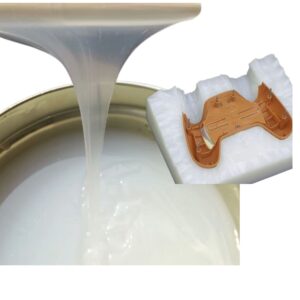
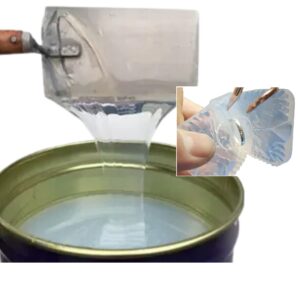
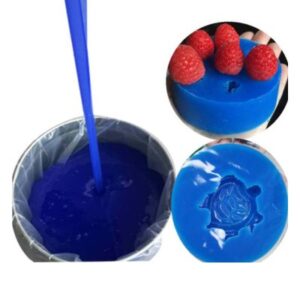
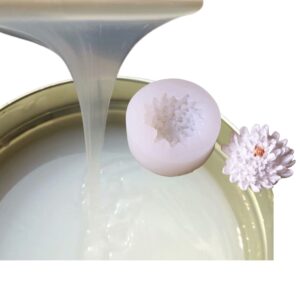
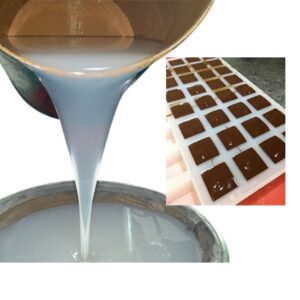
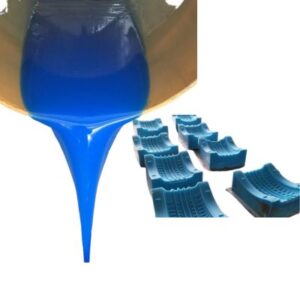
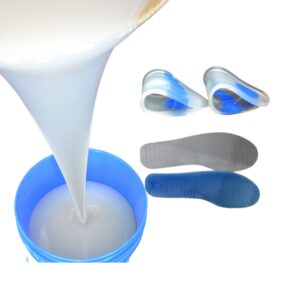
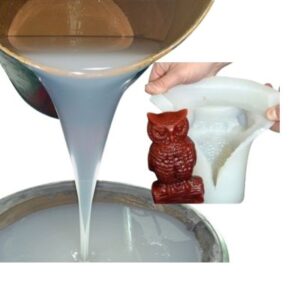
Silicone prototyping is a popular method for creating high-quality, flexible prototypes for various industries, including automotive, medical devices, consumer products, and electronics. It allows for the rapid development of parts with complex geometries, fine details, and smooth finishes.
Specification of Liquid Silicone Prototyping
Key Features of Silicone Prototyping:
Precision and Detail: Silicone molds are capable of capturing intricate details, making them ideal for parts that require tight tolerances and complex designs.
Flexibility: Silicone’s elasticity allows for easy removal of prototypes from the mold without damaging delicate parts, even those with complex undercuts or intricate details.
Durability: Silicone molds can be used repeatedly, making them suitable for small to medium production runs, especially for testing or validation purposes before mass production.
Material Versatility: Silicone prototyping supports a wide range of materials, including rigid plastics, elastomers, and even resins, depending on the final product’s functional needs.
Temperature Resistance: Silicone molds can withstand high temperatures, allowing them to be used with materials that require high-temperature processing.
Cost-Effective: Compared to traditional methods such as CNC machining or injection molding, silicone prototyping offers a faster and more cost-effective solution, particularly for low-volume production.

Common Applications:
- Medical Devices: For creating flexible prototypes of medical components like tubing, seals, and wearable devices.
- Consumer Goods: Developing prototypes for items such as phone cases, kitchen tools, and personal care products.
- Automotive Components: Testing parts such as gaskets, seals, or dashboard elements that require flexibility and durability.
Steps in the Silicone Prototyping Process:
Master Model Creation: A master model is produced using techniques like 3D printing or CNC machining. This model serves as the basis for creating the silicone mold.
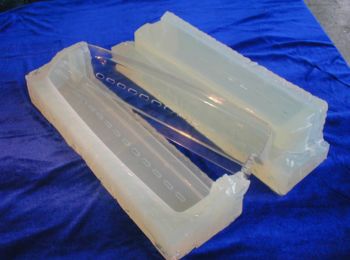
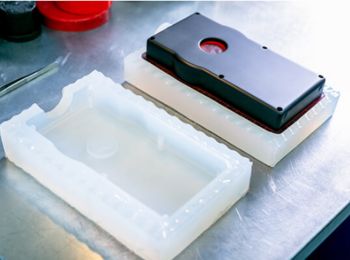
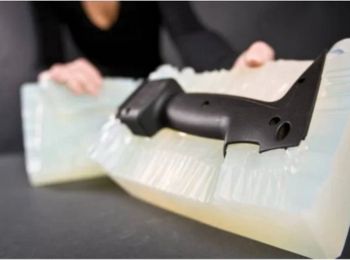
Mold Making: The master model is encased in silicone, forming the mold once it cures. The mold can be a single-part or multi-part mold depending on the complexity of the design.
Casting the Prototype: The desired material is poured into the silicone mold. After it sets and cures, the prototype is removed from the mold.
Post-Processing: The prototype may undergo additional finishing processes such as sanding, painting, or assembly to meet the final design specifications.
Plaitnum Silicone Rubber for Rapid Rototyping
Database of Silicone Rapid Prototyping
| Properties | Translucent Platinum Cure Silicone | Transparent Platinum Silicone |
|---|---|---|
| Type | RTV2 Platinum Base Silicone | Platinum Cure Silicone for Prototyping |
| Hardness ( shore A ) | 30-40 A | 30-40 A |
| Tensile Strength | 3.8 MPA | 4.5 MPA |
| Shrinkage | 0.1% | 0.1% |
| Melting Point (°C) | -50 °C to 230 °C | -50 °C to 230 °C |
| Viscosity | 8000cps | 50000cps |
| Elongation | 500% | 500% |
Develop & Custom Silicone Prototyping
We prioritize our customers’ needs and continually innovate based on our extensive experience and expertise. This enables us to expand our product range to meet the diverse requirements of our clients.
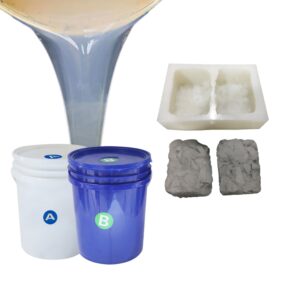
Our facilities are equipped to produce high-quality molding silicone rubber, ideal for creating stone silicone mold. We offer a range of products with varying hardness from 20A to 40A, available in different shapes, sizes, and colors. Additionally, we can customize silicone rubber products based on your requires to suit your specific application needs.
- Most of our standard silicone rubber are available for fast delivery.
- If you require custom molding silicone rubber for stone mold making, contact us today for more information. We are here to assist you.
Related Products